
Overcoming Workplace Cleaning Challenges Effectively

Maintaining a clean workplace is essential for any business. It promotes health, safety, and productivity. However, cleaning commercial spaces comes with unique challenges. These challenges can range from managing high-traffic areas to ensuring eco-friendly practices. I will share practical strategies to overcome these workplace cleaning challenges effectively. These methods help keep spaces spotless and support a healthy environment.
Identifying Common Workplace Cleaning Challenges
Understanding the specific cleaning challenges in a workplace is the first step. Different businesses face different issues depending on their size, layout, and industry. Some common challenges include:
High foot traffic: Areas like entrances, hallways, and break rooms get dirty quickly.
Varied surfaces: Offices often have carpets, tiles, glass, and wood, each requiring different cleaning methods.
Health and safety regulations: Compliance with local health codes is mandatory.
Limited cleaning schedules: Cleaning must often happen outside business hours.
Waste management: Proper disposal and recycling can be complex.
Maintaining air quality: Dust and allergens affect employee well-being.
For example, a busy office in Edmonton may struggle with keeping carpets clean due to snow and mud tracked in during winter. Recognizing these challenges allows for targeted solutions.

Strategies to Address Workplace Cleaning Challenges
Once challenges are identified, I recommend implementing specific strategies to tackle them:
1. Develop a Customized Cleaning Plan
Every workplace is unique. A cleaning plan should reflect the specific needs of the space. This includes:
Scheduling cleaning during off-hours to avoid disruption.
Prioritizing high-traffic and high-touch areas.
Selecting appropriate cleaning products for different surfaces.
Incorporating eco-friendly products to reduce environmental impact.
2. Use Professional Cleaning Services
Hiring experienced commercial cleaners ensures thorough and consistent results. Professionals bring expertise in:
Handling specialized equipment.
Applying industry best practices.
Meeting health and safety standards.
For businesses in Edmonton, partnering with a local cleaning service familiar with regional conditions can be especially beneficial.
3. Train Staff on Daily Maintenance
Employees play a role in maintaining cleanliness. Training staff to:
Keep their workstations tidy.
Dispose of waste properly.
Report spills or hazards immediately.
This reduces the cleaning burden and promotes a culture of cleanliness.
4. Implement Regular Deep Cleaning
Routine cleaning is not enough. Schedule deep cleaning sessions periodically to:
Remove embedded dirt from carpets.
Sanitize hard-to-reach areas.
Maintain HVAC systems for better air quality.
5. Monitor and Adjust Cleaning Practices
Regularly review cleaning effectiveness. Use feedback from employees and cleaning staff to:
Identify problem areas.
Adjust cleaning frequency or methods.
Introduce new technologies or products.
This continuous improvement approach ensures the workplace stays clean over time.
Tools and Technologies to Enhance Cleaning Efficiency
Modern cleaning tools and technologies can help overcome many workplace cleaning challenges. Some effective options include:
Microfiber cloths and mops: These trap dust and dirt better than traditional materials.
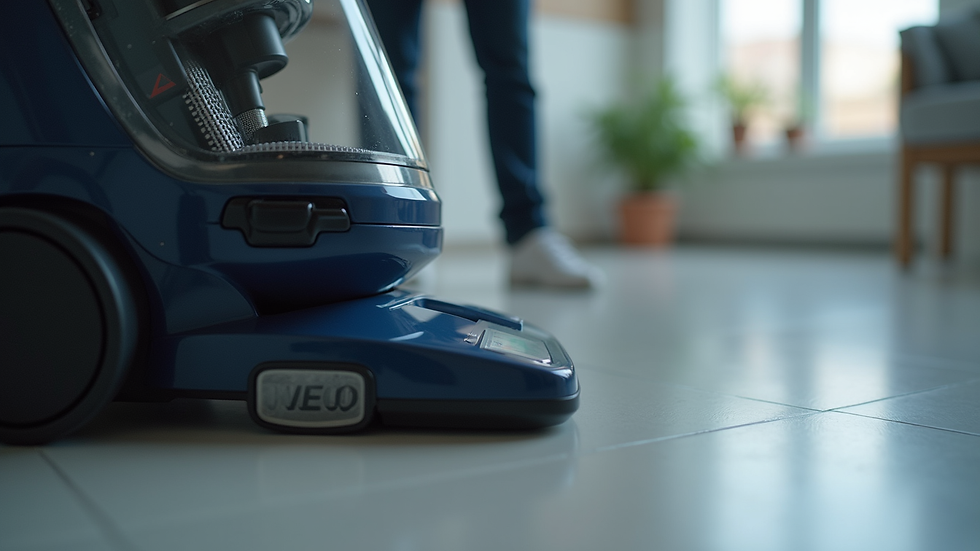
HEPA-filter vacuums: Improve air quality by capturing fine particles.
Electrostatic sprayers: Provide even disinfectant coverage on surfaces.
Automated floor scrubbers: Save time and improve cleaning consistency.
Green cleaning products: Reduce chemical exposure and environmental impact.
Using these tools can increase cleaning efficiency and effectiveness while supporting eco-friendly goals.
Managing Waste and Promoting Sustainability
Waste management is a critical part of workplace cleaning. Proper disposal and recycling reduce environmental impact and comply with regulations. Here are some practical steps:
Set up clearly labeled recycling stations: Encourage employees to separate waste.
Use compostable or recyclable cleaning supplies: Minimize landfill waste.
Train cleaning staff on waste segregation: Ensure proper handling.
Partner with waste management services: Arrange regular pickups and recycling.
Sustainability efforts not only improve the workplace environment but also enhance the company’s reputation.
Maintaining a Healthy and Safe Workplace Environment
A clean workplace directly contributes to employee health and safety. To maintain this:
Focus on disinfecting high-touch surfaces like door handles, keyboards, and phones.
Ensure proper ventilation to reduce airborne contaminants.
Use non-toxic cleaning agents to minimize chemical exposure.
Address spills and hazards promptly to prevent accidents.
By prioritizing health and safety, businesses create a more productive and comfortable environment.
Final Thoughts on Overcoming Workplace Cleaning Challenges
Effectively overcoming workplace cleaning challenges requires a clear plan, the right tools, and ongoing attention. Customized cleaning schedules, professional services, and employee involvement all play vital roles. Incorporating eco-friendly practices and modern technology further enhances results.
By addressing these challenges head-on, businesses in Edmonton and surrounding areas can maintain clean, healthy, and inviting workplaces. This supports employee well-being and reflects positively on the company’s image.
For those looking to improve their cleaning approach, consider these strategies as a foundation for success. A clean workplace is achievable with the right focus and resources.


Comments